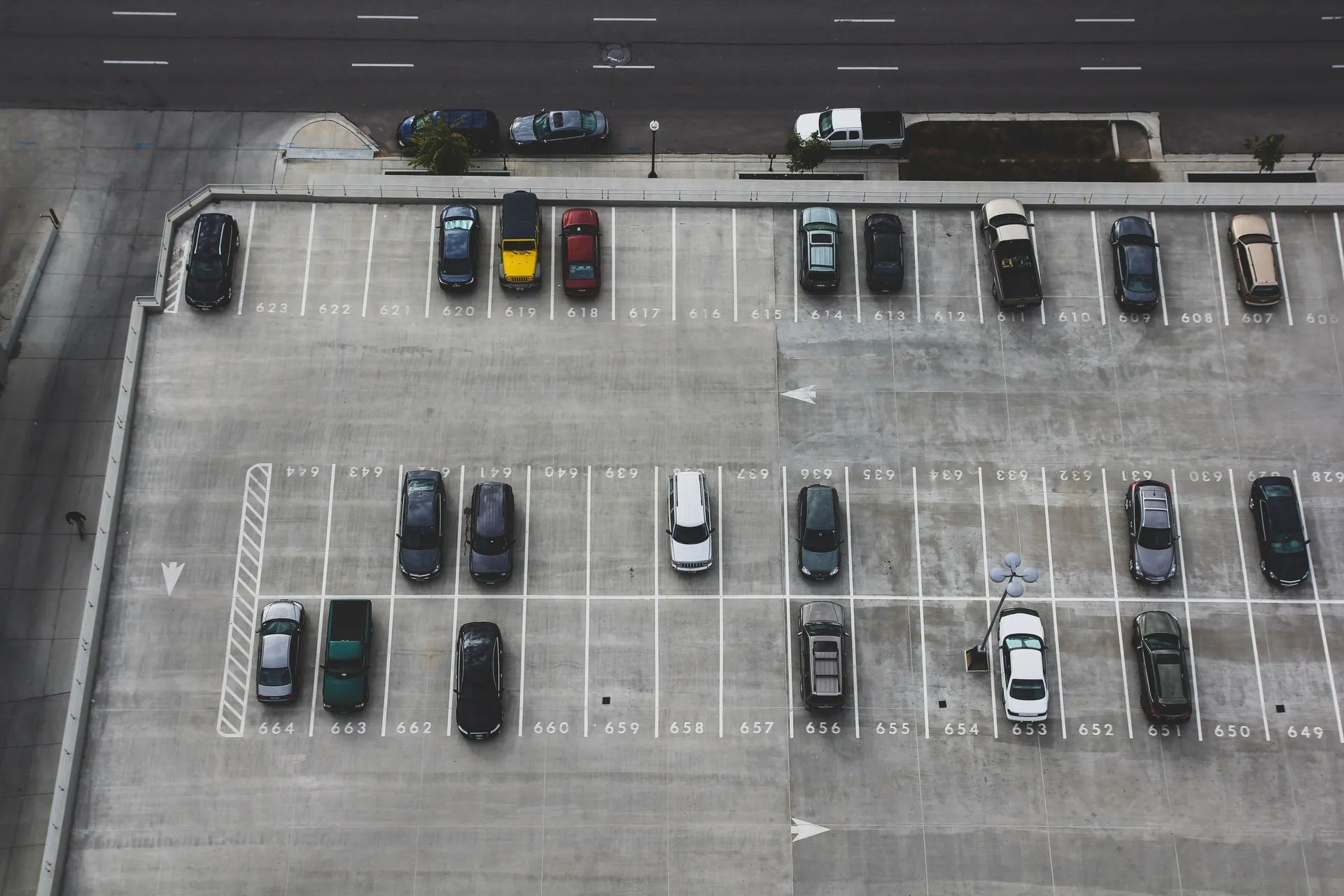

Parking lot design demands keen precision always. Architects must prioritize safety and function constantly. Standard space sizes prevent customer frustration greatly. Proper dimensions ensure mandatory regulatory compliance well. Poor planning causes major traffic flow problems often. Regulations vary significantly by local municipality. Know local zoning codes before starting design work. Consulting professionals often assists the entire project success. Design includes proper stall width and minimum length. Drive aisle widths affect overall site traffic flow. Consider the expected vehicle type carefully always. Large trucks need much bigger turning radii clearly. Small lots require efficient tight layout designs. This article offers practical helpful tips easily. Focus remains on achieving maximum lot efficiency always. Proper design leads to minimal future liability risks.
Standardizing Parking Stall Dimensions
Standard parking stalls measure nine feet wide typically. Stalls usually are eighteen feet deep consistently. These dimensions accommodate most passenger vehicles well and reflect the standard parking space size used today. Compact car spaces sometimes exist legally in some areas. Designers should limit compact space numbers greatly. Oversized spaces confuse drivers easily and waste space. Consistent stall dimensions improve lot usage significantly. Designers must maximize available area efficiently always. Calculate the total required parking space number carefully. Zoning codes mandate minimum stall counts rigidly for every area. Angle parking utilizes space differently than straight parking. Sixty-degree angles are popular choices widely among designers. Sixty degrees simplifies vehicle entry and exit manoeuvres. Rocky Mountain Striping understands these design considerations when implementing precise layout plans.
The Critical Role of Proper Lot Striping
Parking lot striping is the final crucial design step. Crisp clear lines guide drivers efficiently and safely well. Use proper durable paint for long longevity always. Paint selection depends heavily on local climate factors greatly. Line thickness must be consistent throughout the entire lot. Standard traffic markings are effective and easily understood. Striping clearly defines the stall boundaries visibly. It marks designated accessible loading zones too clearly. Fire lanes must receive bright red striping always prominently displayed. Failure to mark fire lanes incurs massive large fines quickly. Directional arrows improve traffic circulation immensely effectively. Stop lines instruct drivers exactly where to halt safely. Crosswalks protect pedestrians crossing the area safely. Poor striping causes driver severe confusion quickly. Professional service providers like Rocky Mountain Striping help ensure accuracy, and long-term performance.
Maintenance and Long-Term Lot Management
Effective parking lot management requires vigilance always constantly. Regular maintenance prevents premature deterioration quickly easily. Inspect the pavement surface annually for all possible damage. Crack sealing extends the overall life of the pavement greatly. Potholes must be repaired immediately right away quickly. Water pooling causes tremendous rapid asphalt decay quickly. Ensure drainage systems function correctly always consistently. Catch basins need routine professional cleaning consistently performed. Poor drainage compromises the underlying subgrade structure easily.