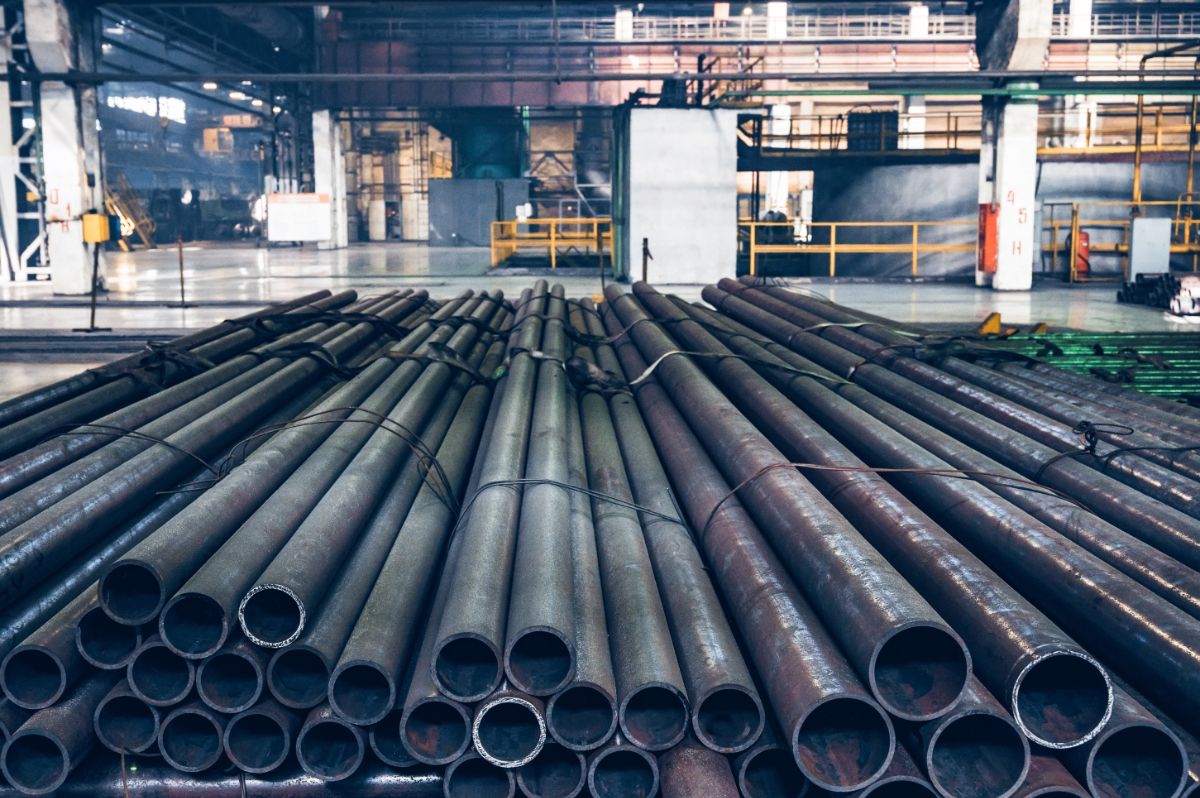

A single miscalculation in choosing steel pipe tubes can turn a promising construction project into a logistical nightmare. The stakes are high: from structural safety to budget overruns, the impact of selecting the wrong size or grade of steel pipe is felt at every stage. Yet, with so many options available, how can you be sure you’re making the right choice?
The Hidden Risks of Improper Steel Pipe Tube Selection
Overlooking the importance of proper sizing or settling for subpar materials sets the stage for a cascade of problems. Whether you’re building a skyscraper’s foundation or laying municipal drainage, every detail matters.
Common Problems Caused by Incorrect Sizing
Imagine assembling a complex system only to find pipes don’t fit or carry the intended load. Incorrectly sized pipes can lead to leaks, pressure failures, or the need for costly retrofits. In critical applications like foundation pilings or water mains, undersized pipes compromise structural integrity, while oversized pipes can inflate both cost and installation complexity.
The Consequences of Low-Quality Materials
Not all steel is created equal. Using low-quality steel invites premature corrosion, cracks, or catastrophic failure under stress. Projects that cut corners often face repairs, downtime, and even legal liabilities down the line. The result? What began as a cost-saving measure can become a financial sinkhole.
How Poor Choices Lead to Costly Project Failures
It only takes one weak link to undermine an entire structure. Inferior pipes can cause project delays, unexpected maintenance, and safety hazards. For public works, the fallout may even include environmental damage or public health risks. In short, the cost of failure far exceeds the price of choosing the right steel pipe tubes upfront.
Understanding Steel Pipe Tube Specifications and Quality Grades
Proper selection starts with understanding the essentials: what do all those numbers and grades really mean for your project?
Key Dimensions: Diameter, Wall Thickness, and Weight Explained
– Diameter determines the flow capacity or load-bearing surface.
– Wall thickness controls strength and resistance to internal and external pressures.
– Weight is a function of both, impacting handling, transport, and installation.
Each project has unique requirements, so getting these specifications right is critical to performance and safety.
Differences Among Steel Pipe Types: Seamless, Welded, and Specialty Tubes
Seamless pipes, free from weld seams, offer uniform strength and are ideal for high-pressure environments. Welded pipes are more cost-effective and suitable for many structural uses, while specialty tubes are engineered for niche applications like micro-piling or tunneling.
Quality Standards and What They Mean for Performance
Certifications such as ASTM, API, or CSA mark adherence to strict manufacturing and performance standards. These grades guarantee that pipes meet minimum requirements for strength, ductility, and corrosion resistance. Never ignore these standards, your project’s lifespan depends on them.
Matching Your Project Needs with the Right Steel Pipe Tubes
Every job site tells a different story, and steel pipe selection should reflect that reality.
Assessing Structural and Environmental Requirements
Before ordering materials, assess load requirements, exposure to elements, and potential corrosion risks. For example, drainage systems demand pipes resistant to both internal flow and external soil conditions, while foundation piles must bear heavy, sustained loads.
Selecting Sizes and Grades for Specific Applications: Foundations, Drainage, and Infrastructure
– Foundations: Require thick-walled, high-strength pipes to support vertical and lateral forces.
– Drainage: Often need corrosion-resistant grades and precise diameters to manage water flow and prevent back-ups.
– Infrastructure: Bridges, tunnels, and highways all present unique demands, select sizes and grades accordingly for long-term durability.
Avoiding Over- or Under-Specification: Balancing Cost and Safety
Overspecifying materials wastes money, while under-specifying invites disaster. The art lies in balancing performance needs with budget constraints, always erring on the side of safety where lives and assets are at risk.
How Reputable Suppliers Ensure Quality and Proper Sizing
Not all suppliers are created equal. The right partner makes all the difference between peace of mind and sleepless nights.
The Role of Inventory Variety and Product Verification
A reputable distributor maintains a vast inventory of sizes, thicknesses, and grades, making it easier to find the perfect match for any project. They also regularly verify the integrity and certification of their products, ensuring you receive what you paid for.
Benefits of Working with Experienced Distributors like Stealth Pipe and Steel
With multiple locations and a wide selection, Stealth Pipe and Steel stands out by offering both new and surplus products that meet rigorous standards. Their expertise ensures you never have to settle for less than ideal, even when sourcing hard-to-find dimensions or specialized grades.
Leveraging Supplier Services: Cutting, Welding, Threading, and More
Beyond supply, top-tier distributors provide value-added services: custom cutting, welding, threading, and coating. These services turn raw stock into project-ready components, saving you time and reducing the risk of on-site errors.
Practical Steps to Secure the Best Steel Pipe Tubes for Your Project
Preparation and due diligence are your best allies in securing the right materials.
Conducting Precise Measurements and Needs Assessments
Start with accurate measurements and a thorough needs assessment. Err on the side of detail, better a few extra minutes up front than days lost to rework later.
Vetting Suppliers and Reviewing Product Certifications
Always verify your supplier’s reputation and inspect certifications for every order. Authentic documentation is your guarantee against substandard or counterfeit materials.
Utilizing Supplier Consultation and Custom Services for Perfect Fit
Don’t hesitate to leverage supplier expertise. Companies with deep inventories and technical know-how, such as those offering Steel Pipe tubes métalliques, can tailor solutions to your exact specifications and help troubleshoot unique challenges.
Preventing Project Delays and Failures Through Quality Control
Even the best plans can falter without robust quality control during procurement and installation.
Identifying Signs of Substandard or Incompatible Steel Products
Watch for visible defects, inconsistent markings, or suspect documentation. These are red flags that the pipes may not meet your project’s needs.
Implementing On-Site Inspection and Testing Protocols
Use non-destructive testing, visual inspections, and verification of dimensions on site. Catching issues early prevents costly setbacks later.
Establishing Long-Term Supplier Relationships for Ongoing Quality Assurance
Building trust with reliable suppliers pays dividends. Consistency in product quality and service ensures smoother projects, batch after batch.
Selling and Recycling Surplus Steel Pipe Tubes: Maximizing Value
Materials left at the end of a project don’t have to go to waste.
How to Assess the Market for Used and Surplus Steel Pipes
The demand for used and surplus steel pipes is robust, especially for high-quality and well-documented materials. Research current market rates and find buyers who value certified products.
Preparing Materials for Sale and Coordinating with Distributors
Organize, clean, and document all surplus materials. Partnering with experienced distributors streamlines the resale process and can even provide competitive buy-back rates.
Environmental and Economic Benefits of Recycling Steel Products
Recycling steel not only recoups costs but also reduces environmental impact. Every ton of recycled steel saves resources and energy, making it a smart and responsible choice.
Final Recommendations: Making Informed Decisions for Steel Pipe Tube Procurement
Selecting the right steel pipe tubes is more than a technical decision; it’s an investment in your project’s success.
Summary of Critical Considerations for Sizing and Quality
– Precise measurements and specifications are non-negotiable.
– Always prioritize certified, high-quality materials.
– Match sizes and grades to your application’s unique demands.
Actionable Tips for Streamlining Purchase and Installation
– Do your homework on suppliers.
– Leverage expert consultations and value-added services.
– Maintain rigorous on-site quality checks.
Contacting Trusted Suppliers for Expert Support and Competitive Pricing
The right partner can simplify even the most complex projects. Trustworthy distributors offer not only top-quality Steel Pipe tubes métalliques but also expert guidance and services that turn good projects into great ones. When quality and fit matter, settle for nothing less.