
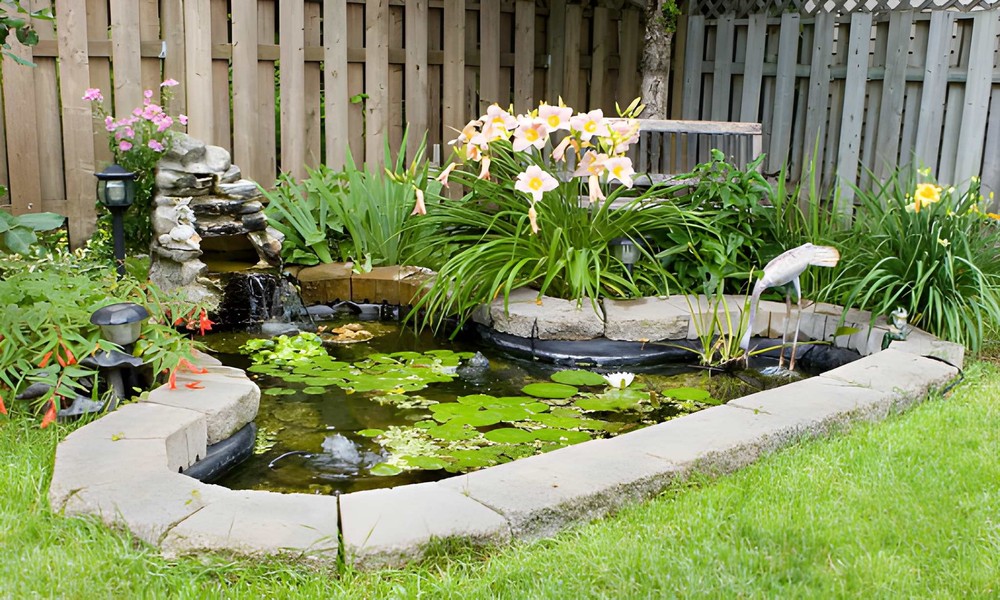

At first, fibreglass ponds did not even cross my mind. I thought ponds were simple projects: dig the hole, drop in a liner, add water, fish, plants, done. Looks quite peaceful, right? That illusion lasts until the liner starts creasing, trapping dirt, and making cleaning strangely difficult.
Then comes the slow water loss. The quiet suspicion. The daily glance at the pond edge, wondering where the problem is hiding.
In discussions about Hertfordshire pond fibreglassing, companies like That Pond Guy often explain it in a very practical way. You are not repairing pond problems anymore. You are replacing the liner concept entirely with a solid, waterproof structure. That idea alone changes how you think about pond construction.
What a Fibreglass Pond Actually Is
Many people imagine a ready-made shell, but that is not how it works.
A fibreglass pond is built in place using:
- Resin layers
- Fibreglass matting
- Careful surface preparation
- A final waterproof topcoat
The result is a smooth, seamless interior that feels firm and permanent.
Why Traditional Liners Become Frustrating
Liners work well at first, but over time, issues appear gradually.
- Roots and stones create pressure underneath
- Folds collect waste and sludge
- UV exposure weakens the material
- Small tears develop into leaks
- Cleaning becomes more difficult than expected
These issues rarely happen all at once, which is why they are often ignored until they become serious.
What Makes Fibreglass Different
Fibreglass changes the pond from flexible to rigid. That is the advantage.
- No folds or creases
- Seamless waterproof surface
- Easy to clean and maintain
- Does not shift or sag over time
- Long-lasting structural finish
It feels more like a constructed tank than a lined excavation.
A Big Advantage for Koi Ponds
Koi keepers especially appreciate fibreglass ponds for practical reasons.
- Smooth walls prevent fish injuries
- Waste moves easily towards drains
- Water quality is easier to control
- Filtration systems work efficiently
- Less debris accumulation overall
The pond becomes easier to manage on a daily basis.
The Installation Process Is Methodical
Fibre-glassing may sound messy, but when done correctly, it follows a clear process.
- Pond emptied and dried
- Surfaces cleaned and prepared carefully
- Structural base created if required
- Fibreglass matting and resin applied in stages
- Sealed with a durable topcoat
Preparation plays the most important role in how long the lining lasts.
Maintenance Becomes Much Simpler
Once completed, maintenance reduces noticeably.
It removes many of the small, recurring maintenance tasks pond owners deal with.
Built to Last for Decades
One of the main reasons people choose fibreglass is durability. When fitted correctly, it can remain in excellent condition for many decades without ever needing to be replaced. That makes it a long-term investment rather than a temporary solution.
Final Thoughts
Fibreglass ponds are not about appearance. They are about reliability and peace of mind. You stop worrying about hidden leaks, folds, and weak spots. The pond becomes what it was always meant to be – calm, clear, and easy to enjoy.