
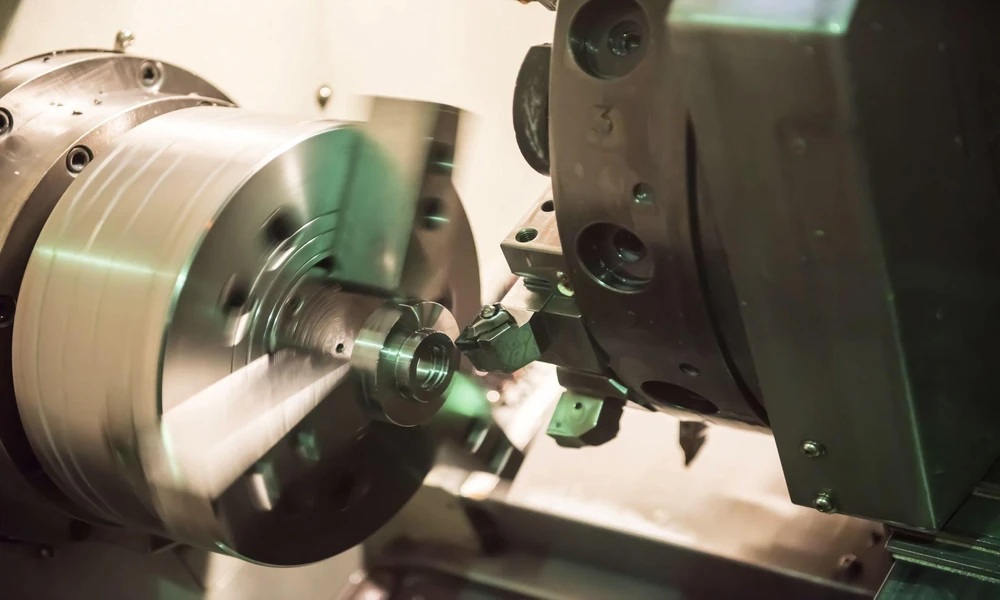

Modern vehicles are engineering marvels that balance performance, safety, and efficiency. Long before production, engineers make critical decisions primarily centred on material selection for automotive products. By choosing the right metals, alloys, and composites, they ensure every component, from engine blocks to chassis frames, delivers peak performance under real-world conditions.
Lightening the Load: Lightweighting for Efficiency and Range
The automotive industry continues to pursue aggressive weight reduction goals. Whether carmakers design traditional internal combustion engines to meet strict emission standards or build electric vehicles (EVs) to extend battery range, trimming unnecessary vehicle mass remains a top priority.
Swapping conventional mild steel for high-strength aluminium alloys, advanced high-strength steels (AHSS), and carbon-fibre composites transforms vehicle dynamics. Reducing kerb weight lowers rolling resistance and inertia, allowing automotive products like drivetrain systems and suspension arms to operate with higher mechanical efficiency.
| Material Class | Core Properties | Primary Automotive Applications |
| Advanced High-Strength Steel (AHSS) | High tensile strength, excellent energy absorption | Crumple zones, B-pillars, structural chassis frames |
| Aluminium Alloys | Low density, high corrosion resistance | Engine blocks, bonnet panels, suspension knuckles |
| Carbon-Fibre Reinforced Polymers | Extreme strength-to-weight ratio, high rigidity | Sports car monocoques, battery enclosures |
| Specialised Speciality Steels | High thermal resistance, extreme fatigue strength | Turbocharger housings, drive shafts, fuel injectors |
Selecting lighter, stronger materials allows manufacturers to enhance fuel economy and EV range without compromising passenger safety.
Behind the Scenes: The Critical Role of Tooling Metallurgy
Engineers do not only focus on the materials that go into the final vehicle; they must also carefully select the metals used to manufacture those parts. Stamping complex door panels, cold-forging engine gears, or die-casting intricate aluminium housings requires manufacturing equipment capable of withstanding immense mechanical stress.
This is where specialised tooling and die steel play a vital, behind-the-scenes role. High-performance tooling alloys must demonstrate exceptional wear resistance, high toughness, and outstanding thermal stability. If a stamping die wears down prematurely or cracks under press loads, micro-defects transfer directly onto the stamped sheet metal components, compromising their dimensional accuracy and structural integrity.
Deploying premium tool steel grade formulations ensures that production dies maintain precise tolerances over hundreds of thousands of press cycles. High-grade tooling metallurgy directly elevates the consistency, surface finish, and structural reliability of mass-produced vehicle components.
Extreme Endurance: Managing Thermal and Mechanical Fatigue
Under the bonnet, components face brutal operational environments. Engine pistons, turbocharger turbines, and braking systems experience rapid thermal cycling alongside continuous mechanical friction. Inferior material choices quickly lead to thermal warping, surface galling, micro-cracking, and mechanical failure.
To combat these extreme forces, material scientists develop specialised heat-resistant alloys and advanced surface coatings. For example, nickel-based superalloys and chromium-molybdenum steels maintain structural hardness even when glowing hot under heavy engine loads. Selecting alloys engineered specifically for high-stress environments ensures that critical mechanical assemblies perform reliably over hundreds of thousands of kilometres.
The Precision Advantage: Balancing Cost, Strength, and Processability
Material selection always involves a delicate balancing act between performance characteristics and manufacturing feasibility. An alloy might offer extraordinary tensile strength, but if technicians cannot machine, weld, or form it efficiently, mass production becomes impossibly expensive.
Design teams must evaluate how candidate metals respond to high-speed forming processes. Using advanced tool and die steel dies allows manufacturers to process ultra-high-strength sheet metals that traditional tooling cannot handle. Mastering this synergy between raw material properties and tooling capability enables automotive brands to produce safer, lighter, and more durable vehicles at scale.
Driving the Future Through Material Excellence
Material selection forms the bedrock of modern vehicle engineering. By pairing advanced structural alloys with high-performance tooling materials, the automotive industry continues to push the boundaries of safety, efficiency, and driving performance.
Investing in superior materials today ensures tomorrow’s vehicles deliver cleaner, safer, and more thrilling journeys for drivers.
Frequently Asked Questions
Why is material selection so important in electric vehicle (EV) manufacturing?
EVs carry heavy battery packs, so selecting lightweight structural materials helps offset this battery weight to maximise driving range and improve vehicle handling.
How does tooling steel quality impact the final cost of a vehicle?
High-quality dies resist wear and cracking during mass production, reducing press downtime, minimising maintenance cycles, and lowering the overall unit cost of stamped parts.
What is the difference between mild steel and Advanced High-Strength Steel (AHSS)?
AHSS undergoes specialised heat treatment and alloying to deliver significantly higher yield and tensile strength than mild steel, allowing engineers to use thinner, lighter sheets that absorb crash energy more effectively.
Visit Proterial Asia Pacific today to learn more about high-performance tool steels, speciality materials, and advanced engineering solutions.