
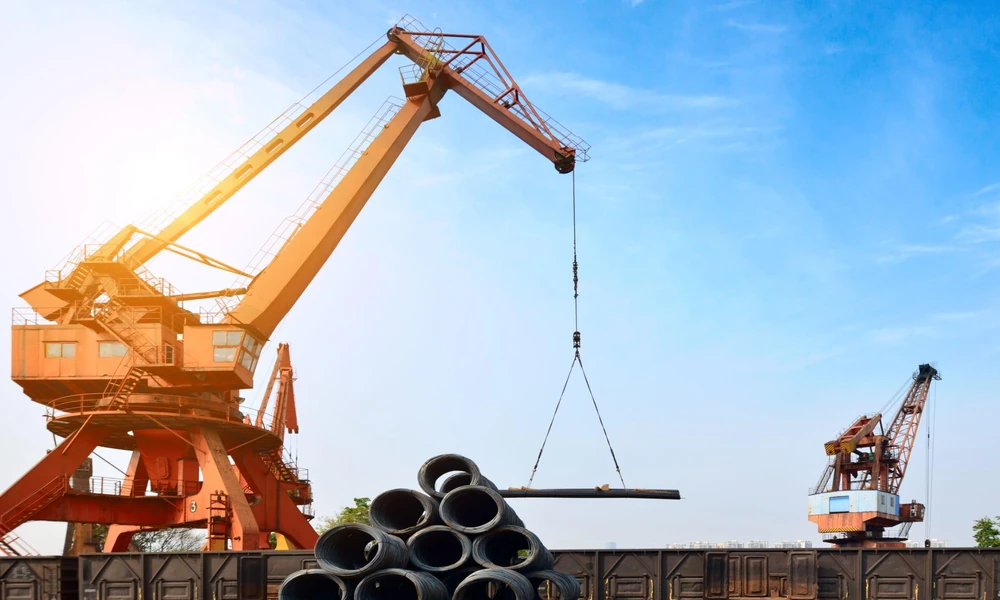

Choosing a crane hoist for a facility starts with the conditions surrounding the lifting work, not with the equipment alone. Facility managers need to consider what must be moved, where lifting will take place and how frequently the system will support daily operations. Available space, building conditions and workflow requirements can all influence whether a particular lifting arrangement is suitable. Answering the right questions before comparing options can help managers identify practical requirements early and avoid selecting equipment that does not fit the facility or its intended use.
1. What Loads Will the System Need to Handle?
The first question concerns the materials or equipment that the lifting system will move. Managers should establish the weight of typical loads as well as the heaviest loads expected during normal operations. The size, shape and method of handling each load may also affect planning.
A lifting requirement can change when loads vary between departments or production activities. For example, a facility may occasionally handle larger or heavier items than those moved during routine work. These differences should be identified before choosing a crane hoist.
The load assessment should also consider how the material will be attached, positioned and released. Understanding the complete handling process gives managers a clearer picture of what the lifting equipment must support.
2. How Much Space Is Available for the Lifting System?
The physical layout of the facility can determine which equipment arrangements are practical. Review the available floor area, ceiling height and travel paths before making a selection.
Columns, machinery, storage areas and existing infrastructure may limit where equipment can be installed or how freely a hoist crane can move. Managers should also consider whether the lifting path needs to cover one fixed location or several working areas.
Measuring the space early can prevent planning decisions from being based on an arrangement that cannot operate effectively within the building. It can also reveal whether changes to the facility layout are necessary before installation.
Questions to Ask
Before choosing a lifting system, facility managers should ask:
- What are the typical and maximum loads that require lifting?
- Where will lifting and load movement take place?
- How much vertical and horizontal clearance is available?
- How often will the equipment be used?
- Does the existing workflow require movement across multiple areas?
- Could future operations change the facility’s lifting requirements?
3. How Will the Equipment Fit Into Daily Workflow?
A lifting system should support existing operations rather than create additional obstacles. Review how materials currently move through the facility and identify where manual handling, delays or difficult transfers occur.
Consider who will operate the equipment and when lifting activities take place. A system that serves a busy production area may require different planning from one used occasionally for maintenance or loading.
The movement of other workers and equipment should also be considered. Forklifts, production machinery and pedestrian routes may affect how lifting activities are organised. Planning around the actual workflow can help managers select equipment that fits the working environment.
4. What Building Conditions Need Assessment?
The facility itself may require assessment before lifting equipment is installed. Managers should review the building structure and identify the relevant requirements for supporting the proposed system.
Existing beams, columns and available mounting points may influence the type of arrangement that can be considered. The condition of the structure and any planned building work should also be reviewed before installation.
Professional technical assessment is important where lifting equipment will interact with the building structure. Addressing these considerations during planning can reduce the risk of later changes disrupting the project.
5. How Frequently Will Lifting Take Place?
The expected frequency of use can influence equipment planning. A crane hoist used throughout the working day may need to support a different operational pattern from one used only for periodic maintenance.
Managers should consider the number of lifting cycles expected and whether activity concentrates during particular periods. The speed required for moving loads may also matter when lifting forms part of a time-sensitive workflow.
Understanding how frequently the system will operate helps connect the equipment decision with the facility’s practical needs. It also encourages managers to assess the system as part of a wider operational process rather than as an isolated purchase.
6. Could Future Operations Change the Requirements?
Facilities rarely remain unchanged indefinitely. Planned expansion, new machinery, different production processes or changes in the types of materials handled could affect future lifting requirements.
Managers should identify foreseeable developments before selecting a system. Current needs remain important, but a solution designed without considering likely changes may become less suitable sooner than expected.
The aim is not to plan for every possible scenario. Instead, managers should recognise realistic developments that could affect load requirements, available space or workflow during the equipment’s intended use.
Conclusion
A suitable lifting arrangement begins with a clear understanding of the facility and the work performed inside it. Load characteristics, available space, workflow, building conditions, frequency of use and future plans all provide information that can guide the selection process.
Contact Shin Guan to discuss your facility’s lifting requirements and explore crane hoist options that suit your available space, loads and operational workflow.