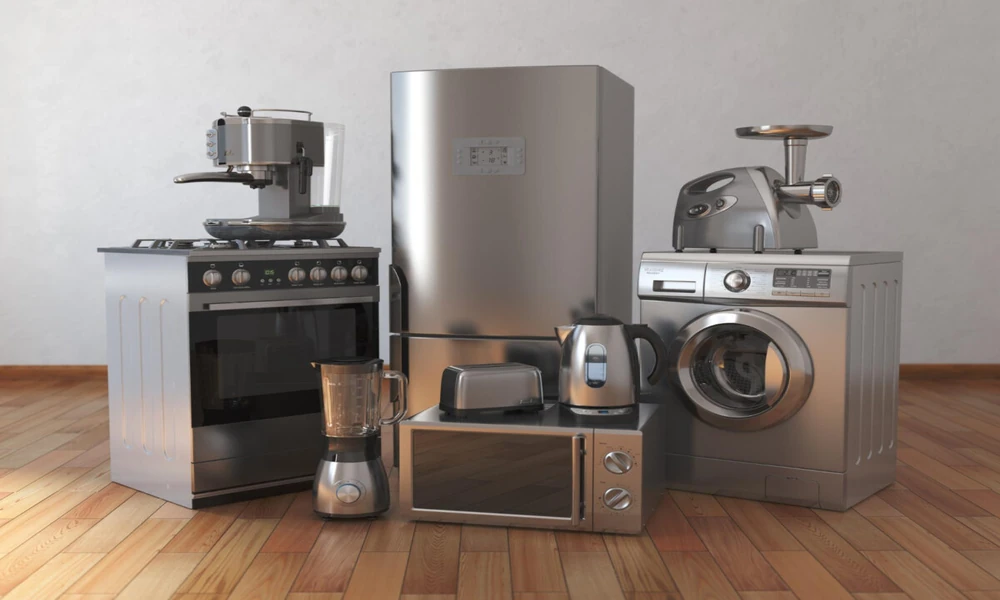

Nothing halts the rhythm of home life quicker than a stubborn appliance refusing to do its job. Whether your fridge is warming up, the washer is leaking, or the oven stays cold, the disruption can turn an ordinary day into an unexpected headache. Yet, most appliance issues start with small warning signs, and many can be resolved without panic or professional intervention.
Understanding Common Appliance Issues
Why Do Appliances Fail? Typical Causes
Overloaded washing machines, clogged dryer vents, neglected fridge coils, and overworked dishwashers all have something in common: they’re working harder than they should. Most failures trace back to wear and tear, improper use, or skipped maintenance. Sometimes, a simple power surge or a faulty part can bring an otherwise reliable machine to a standstill.
Recognizing Early Warning Signs
A noisy spin cycle, a fridge that struggles to stay cold, or a dishwasher that leaves dishes grimy are all messages from your appliances. Unusual sounds, small leaks, odd smells, or inconsistent performance usually signal trouble brewing. Noticing these early makes troubleshooting much less stressful later.
When Should You DIY or Call a Professional?
If the issue is a blown fuse, kicked-out circuit breaker, or clogged filter, you can likely handle it with basic tools. When there’s water pooling, gas smells, or persistent electrical issues, calling a technician is safer and often more economical. Trust your instincts: if you feel out of your depth, it’s okay to seek help.
Troubleshooting Major Household Appliances
Washer and Dryer Problems and Fixes
Washers that shake violently may simply need to be leveled or have a load redistributed. Dryers that take forever to dry usually suffer from lint buildup in the vent or filter. Regularly checking hoses for cracks and cleaning filters can keep both appliances humming.
Refrigerator Cooling and Leakage Issues
If your fridge is warm, check if the door seal is clean and tight. Frost buildup in the freezer? Defrost and wipe down the interior. Leaks are often traced to clogged drain tubes or a blocked defrost drain. Most fixes require only a screwdriver and patience.
Oven and Stove Malfunctions
Before assuming the worst, inspect power connections and make sure the appliance is receiving electricity or gas. Burners not igniting or heating evenly could be due to dirt or food residue blocking the elements. For persistent temperature problems, a faulty thermostat is often the culprit.
Dishwasher Performance Troubleshooting
A dishwasher that leaves dishes dirty may just need its spray arms cleared of debris or its filter cleaned. Unusual noises or water pooling inside usually point to a clogged drain hose or filter.
Coffee Machine Care and Quick Repairs
Coffee tasting odd? Hard water mineral buildup is a frequent offender. Run a cleaning cycle with a mix of vinegar and water, and descale regularly. For commercial setups in cafes or restaurants, prompt attention to any malfunctions keeps business flowing.
Step-by-Step Troubleshooting Techniques
Safety First: Preparing for Appliance Inspection
Always unplug the appliance or switch off its circuit breaker before inspecting. Water and electricity are a dangerous mix, and gas appliances deserve extra caution.
Basic Tools and Equipment You Should Have
A few essentials: adjustable wrench, screwdrivers, multimeter, and flashlight. These can handle most minor investigations and repairs.
Diagnosing Electrical vs. Mechanical Faults
Is the machine completely dead? Check the outlet with another device. If it starts but makes odd sounds or moves strangely, suspect a mechanical issue like a worn belt or blocked fan.
Simple Fixes You Can Try at Home
– Reset tripped circuit breakers
– Clean filters and vents
– Reseat seals and check door gaskets
– Clear away blockages
If these don’t solve the problem, it’s time to consider professional assistance.
When to Stop and Seek Professional Help
Any sign of burning smells, exposed wiring, or gas leaks means you should stop immediately. Specialists such as Honest Guys Appliance Repair in Ottawa have the expertise and equipment to handle complex or hazardous repairs safely.
Preventive Maintenance to Minimize Stress
Routine Cleaning and Care Tips
Wiping fridge coils, cleaning lint traps, and checking hoses monthly can extend appliance life. Avoid overloading machines and keep operating manuals handy for reference.
Scheduling Regular Appliance Check-ups
Annual check-ups by a technician can catch issues before they cost you a new appliance or a bigger repair bill.
Using Appliances Correctly to Extend Lifespan
Follow weight limits in dryers and washers. Don’t slam doors or skip filter cleaning cycles. Proper use always pays off in longevity.
Recognizing When Replacement Is More Cost-Effective
If an appliance is over a decade old and repair costs exceed half the price of a new model, replacement is often the smarter choice.
Knowing Your Repair Options
Understanding Service Call Fees and Costs
Typical service calls in Ottawa start around $89.99 for electrical appliances, and $139.99 for gas-powered ones, excluding parts and labor. Knowing these costs upfront helps manage expectations.
Choosing Between Authorized Repair Services and Local Technicians
Authorized repair services may offer warranty support and brand-specific expertise. Local technicians can be faster and sometimes less expensive. It’s smart to check reviews and credentials either way.
What to Expect During a Professional Appliance Repair Visit
A technician will diagnose the issue, provide a quote, and explain the necessary repair. Most reputable services will fix the problem on their first visit, provided parts are available.
Warranty and Brand Support Considerations
Always check if your appliance is still under warranty before booking a service call. Authorized repairs may be required to maintain coverage.
Managing Appliance Repair Stress
Staying Calm During Breakdowns
It’s easy to panic when the fridge goes silent or the oven dies before dinner. Take a breath, unplug the appliance, and check the basics before imagining worst-case scenarios.
Organizing Your Repair Priorities
If multiple appliances malfunction, address those essential to daily living first (think fridge and washer). Make a list and tackle issues one by one.
Finding Reliable Repair Services in Your Area
Seeking out established local names with transparent pricing and good reviews can make a world of difference in your repair experience.
Preparing for Future Appliance Emergencies
Keep appliance manuals, warranty documents, and trusted repair contacts in one accessible place. A little prep now saves a lot of stress later.
A broken appliance need not disrupt your home or peace of mind. With a clear strategy and some practical know-how, you can keep your household running and call in the pros only when it counts.