
A quiet evening can unravel fast when your garage door refuses to budge or makes a sound no homeowner wants to hear. One moment, you’re on autopilot, coming home after a long day; the next, you’re facing a stuck door and a rush of questions: Is it a quick fix, or is safety at risk? Knowing what to do next can make all the difference for your home and your peace of mind.
What Does It Mean When Your Garage Door Fails?
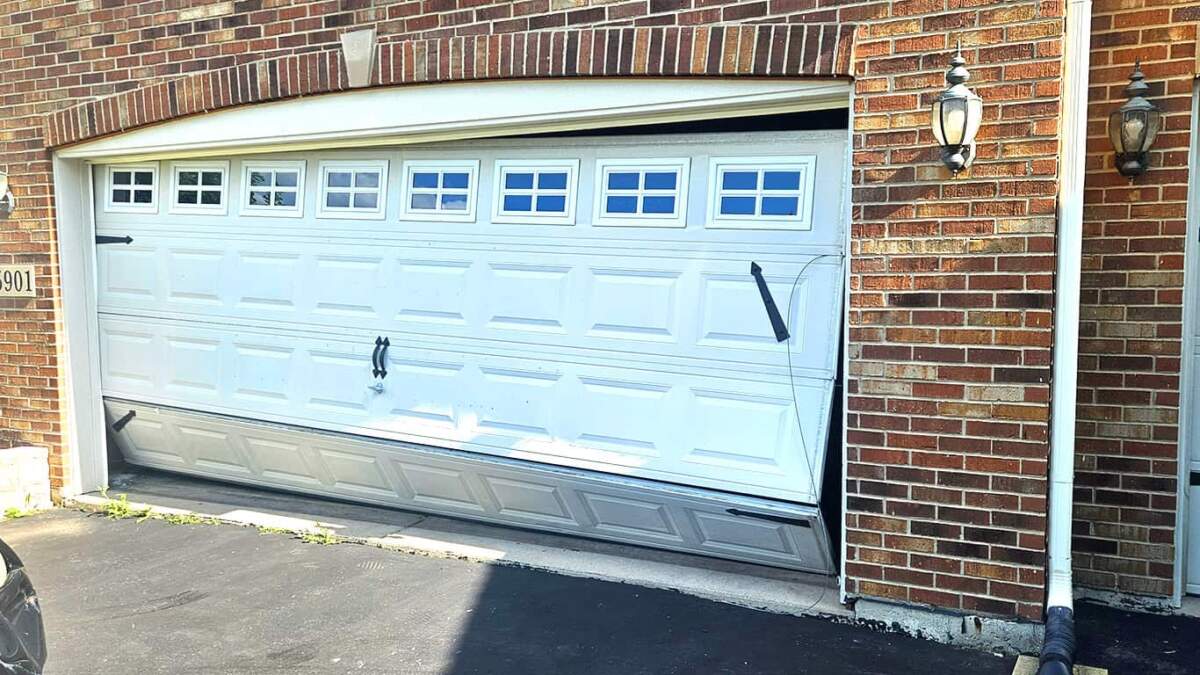
Garage door failure is rarely subtle. Sometimes, it’s a sudden refusal to open, an alarming grinding noise, or a door that slams shut unexpectedly. Recognizing these warning signs early matters.
Common Signs of Garage Door Failure
– Unusual noises: grinding, squealing, or snapping
– Door won’t open or close fully
– Door reverses unexpectedly
– Slow or jerky movement
– Sagging or off-balance door panels
How Garage Doors Typically Break Down
Most breakdowns trace back to a few culprits: broken springs, worn-out cables, misaligned tracks, or malfunctioning sensors. Electric openers add another layer of complexity, with issues ranging from dead remotes to faulty circuit boards.
Why Is Immediate Action Important When Your Garage Door Stops Working?
Ignoring a faulty garage door can lead to bigger problems, and sometimes, real danger. A malfunctioning door is more than an inconvenience; it can be a safety hazard.
Risks of Ignoring a Faulty Garage Door
A jammed door can trap your vehicle, disrupt daily routines, or leave your home exposed. Worse, a door that won’t close properly invites security risks and the possibility of injury if it collapses or snaps shut.
Safety Concerns for Your Family and Property
Garage doors are heavy and under tension. Springs or cables that fail can cause serious injuries. That’s why understanding when to step back and let a professional handle repairs is crucial.
What Is the Very First Step You Should Take When Your Garage Door Fails?
Resist the urge to force the door open or tinker blindly with its mechanics. The best first move? Step back, assess the situation, and determine if the problem is obvious and safe to address.
Diagnosing the Problem: What to Look For
– Is the opener motor running but the door isn’t moving?
– Do you see any snapped springs or loose cables?
– Are the tracks clear and aligned?
– Are the sensors blocked or blinking?
If the issue is minor and doesn’t involve high-tension parts, you may be able to troubleshoot safely. Otherwise, calling in a professional is the wisest choice.
When to Attempt a DIY Fix vs. Calling a Professional
Clearing minor debris or realigning a sensor is usually safe. But if you spot a broken spring, damaged cable, or anything involving the door’s counterbalance system, do not attempt a repair. These parts are under intense pressure and can cause injury.
How Can You Safely Inspect Your Garage Door System?
For a quick, safe inspection, keep your distance from moving or tensioned components. Look, listen, and test gently.
Checking the Door and Tracks for Obvious Issues
Visually scan the tracks for bends, debris, or objects blocking the path. Lightly tug the door’s handle, if it feels unusually heavy or is stuck, stop there.
Testing the Electric Opener and Sensors
Check that the remote has fresh batteries and the opener is plugged in. If the motor runs but the door doesn’t move, disengage the opener (using the manual release cord) only if it feels safe. Blocked or misaligned sensors often cause erratic door behavior; gently clean and realign them if needed.
When and How to Contact a Garage Door Repair Service
Sometimes, the best step is trusting the experts. A reputable garage door specialist can quickly diagnose and resolve issues that are risky or complex.
Choosing a Trusted Garage Door Specialist
Look for companies with a history of quality service, clear credentials, and emergency availability. For Canadian homeowners, the Door Doctor garage door repair team is recognized for their expertise in residential, commercial, and industrial doors.
What Information to Provide Before Booking a Repair
Have these details ready:
– Door make and model (if known)
– Description of the problem and any unusual sounds
– When the issue started
– Whether the door is stuck open or closed
Emergency Repair Services: When Are They Necessary?
If your door is stuck open at night, has a broken spring, or poses a security risk, opt for 24-hour emergency service. Delaying could leave your property vulnerable.
What Should You Expect During a Professional Garage Door Repair?
A technician will first inspect the door, identify the root cause, and explain the needed repairs.
Typical Repair Procedures and Timeframes
Most repairs, like spring replacement, cable fixes, or sensor adjustments, can be done in one visit, often within 1-2 hours. More complex issues or specialty parts may take longer.
Cost Factors and Getting a Quote
Repair costs vary based on the problem and parts required. Get a detailed estimate up front, and ask about warranties or guarantees on both labor and parts.
How to Prevent Future Garage Door Failures
A little maintenance now can help you avoid headaches later.
Routine Maintenance Tips
– Lubricate moving parts twice a year
– Inspect and tighten hardware regularly
– Test the door’s balance and safety features
– Clean and align sensors
Signs That Indicate It’s Time for Replacement Instead of Repair
Frequent breakdowns, severe sagging, or visible structural damage usually mean your door is past its prime. At that point, repairs become costly and less effective.
What Are the Options If Your Garage Door Is Beyond Repair?
When repairs no longer make sense, replacing the door offers a fresh start and new features.
Choosing the Right Replacement Door for Your Needs
Consider insulation, style, and materials. Modern doors can boost your home’s curb appeal and energy efficiency.
Installation Process and Working with Certified Installers
Work with certified installers to ensure proper fit and safe setup. A professional team can remove the old door, install the new one, and tune everything for smooth operation, often in a single day.
When your garage door fails, the most important first step is knowing when to stop, assess, and call in the pros. Protect your home, your family, and your investment by taking smart, timely action.