
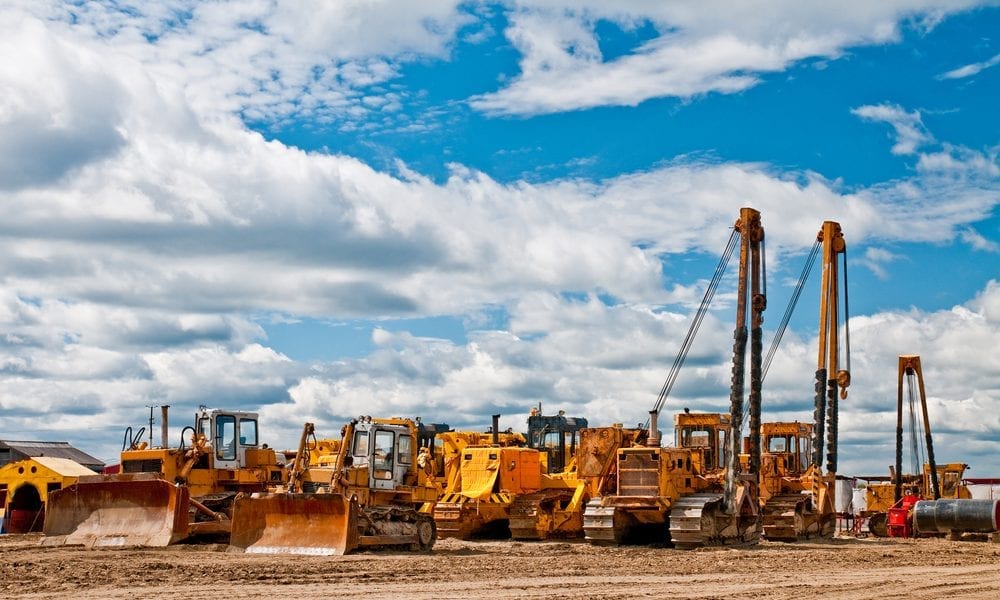

Walk through any construction yard and you’ll notice something. The equipment mix keeps changing. Telehandlers appear for one project, then disappear. Boom lifts show up for a few weeks, then vanish. This isn’t disorder—this is strategy. More and more companies are opting for rentals instead of ownership of equipment, and it goes well beyond a dollars and cents solution.
1. Cash Flow Stays Healthier Without Large Capital Outlays
Equipment purchases drain significant capital upfront. A single telehandler can cost six figures. That’s money locked into a depreciating asset instead of working elsewhere in the business. Maybe payroll needs padding during slower months. Perhaps bonding capacity needs strengthening for bigger bids.
Rentals from a reliable website preserve cash reserves. Weekly or monthly payments can spread costs over the duration of the project timeline, aligning with generating revenues. When the project generates income, the rental gets paid. No massive debt service eating into margins before work even begins.
2. Project Variety Demands Equipment Diversity
Construction companies rarely repeat the same job twice. One month requires reaching 45 feet for warehouse work. Next month needs a heavy lifting capacity for steel installation. The month after that involves tight Maneuvering in residential spaces.
Owning equipment for every scenario becomes impractical quickly. The specialized telehandler, perfect for one job, sits unused during others. Rental inventory offers variety without the commitment. Each project gets matched with appropriate equipment rather than forcing owned machines into unsuitable roles.
3. Maintenance Responsibilities Disappear
Equipment breaks down. Hydraulic lines rupture. Engines need service. Tires wear out. When you own the machine, these issues become your problems at the worst possible times—usually mid-project when deadlines loom.
Rental agreements shift maintenance burdens to the rental company. A machine develops issues? Swap it out. Regular service needed? Already handled. Breakdowns don’t derail schedules or drain maintenance budgets. Someone else worries about keeping equipment operational while your crew keeps working.
4. Labor Market Realities Favor Flexible Assets
Construction employment fluctuates. Winning a major project means hiring operators quickly. Project completion means workforce reductions. Equipment ownership assumes steady utilization that labor market realities often don’t support.
Rentals scale with workforce needs. Hire three operators for a big job? Rent three machines. Scale back to one operator afterward? Return the excess equipment. Labor costs and equipment costs move together rather than creating inefficiencies.
5. Risk Management Gets Simpler
Equipment ownership carries risks beyond maintenance. Market values shift. Technology advances. Regulatory requirements change. Resale prospects dim as machines age. All of this uncertainty makes it even more challenging to plan for the long term or manage an organization’s capital assets.
Rentals eliminate most ownership risks. Obsolescence becomes someone else’s concern. Market fluctuations don’t affect your balance sheet. The rental company absorbs technological shifts and changing regulations. Your risk exposure stays limited to the rental period.
Making The Practical Choice
Equipment decisions shape profitability more than many realize. The flexibility rentals provide aligns better with how construction actually works—project-based, variable, and unpredictable. Companies that embrace this reality often find themselves better positioned to pursue opportunities without being weighed down by owned assets waiting for their next purpose.
Finding reliable equipment when you need it matters. A licensed website simplifies the rental process, offering equipment options that match specific project requirements without the complications ownership brings.